
Blog
Blog
News, insights, and perspectives from the world of facades and architectural systems.
-
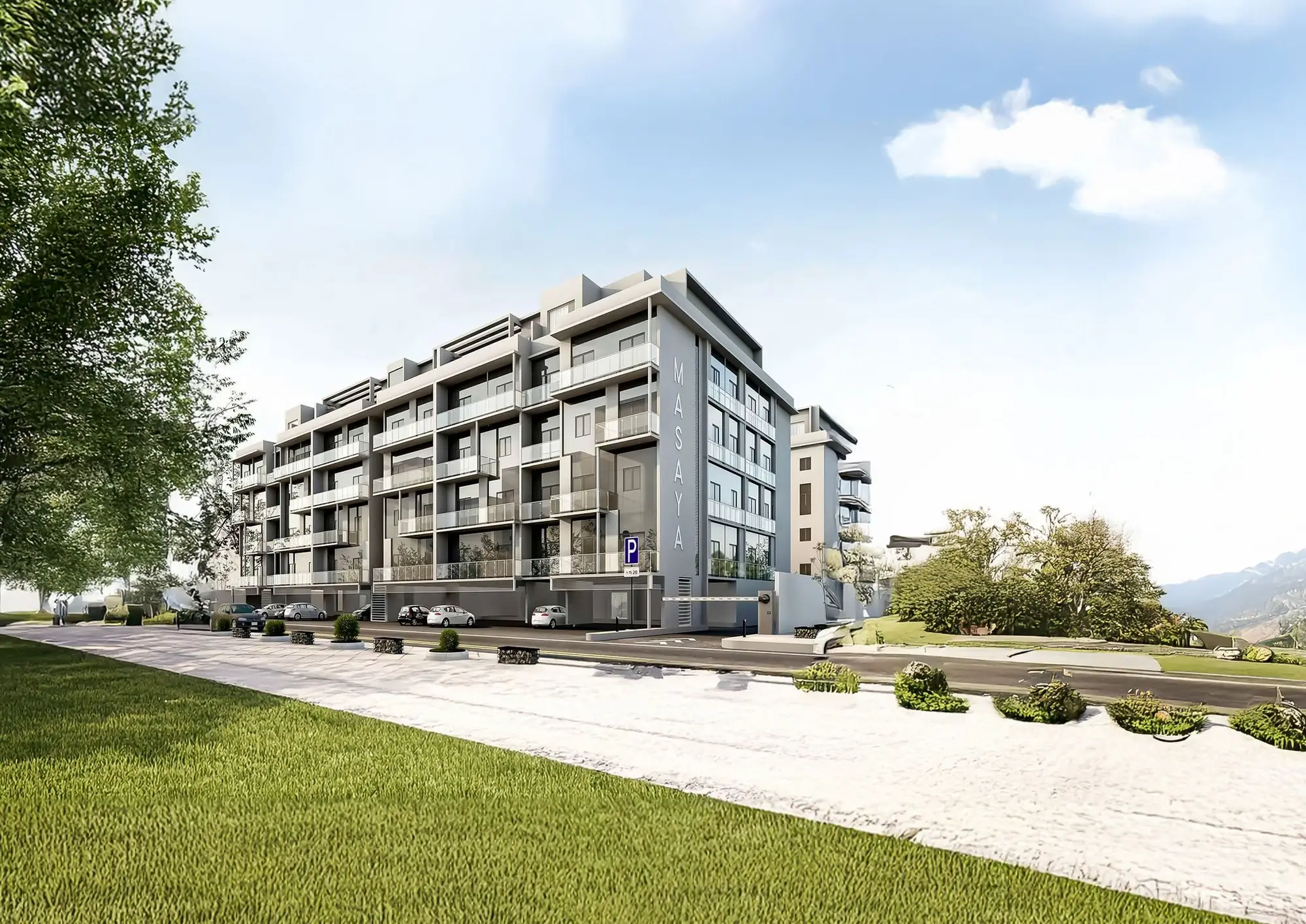
How Glass Selection Affects Heat, Glare, and Daylight
A useful glass specification balances visible light, solar heat, insulation, color, reflection, safety, and occupant comfort.
-
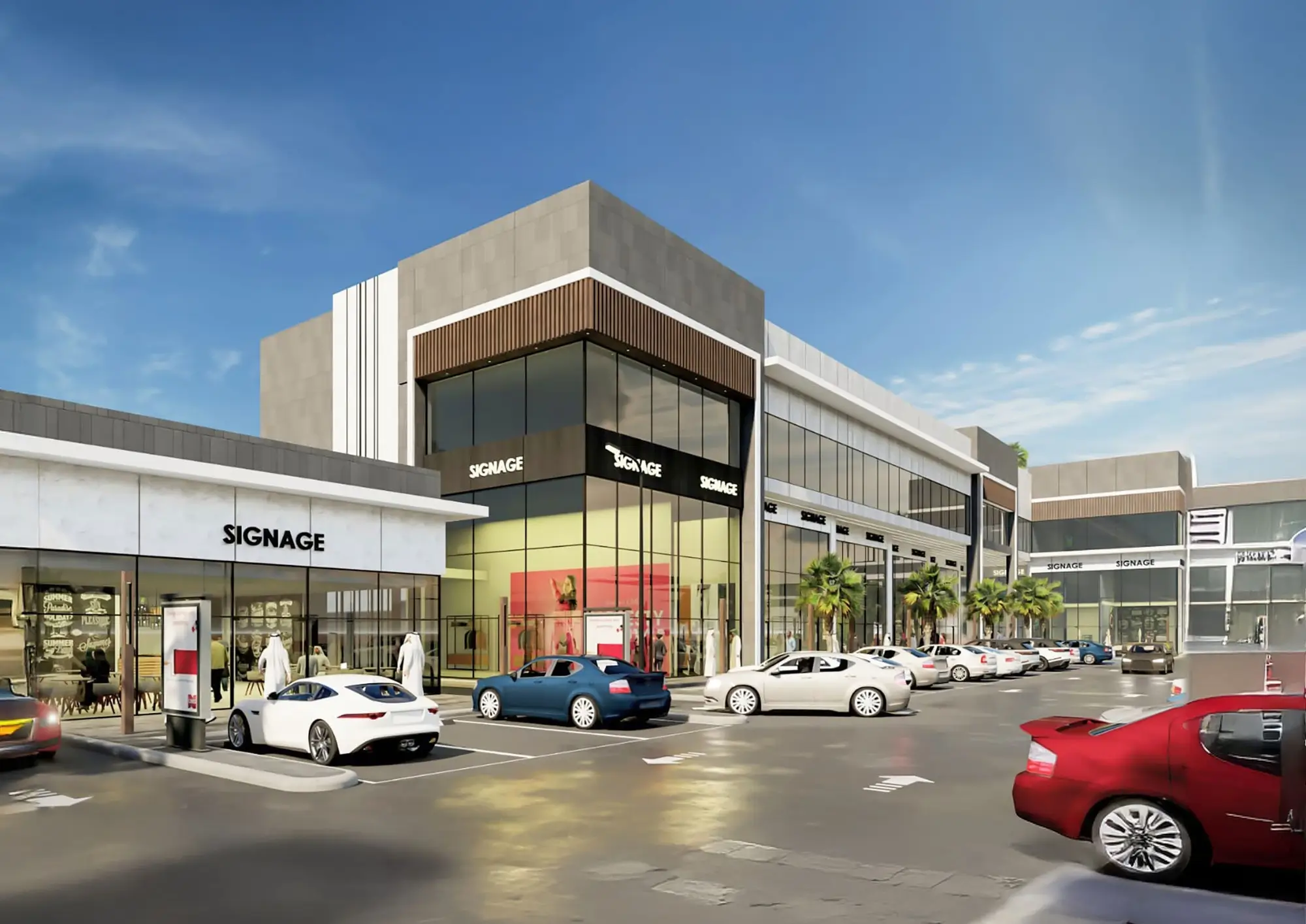
Why Thermal Breaks Matter in Aluminum Facade Systems
Thermal breaks interrupt the highly conductive aluminum path to improve comfort, reduce condensation risk, and support energy targets.
-
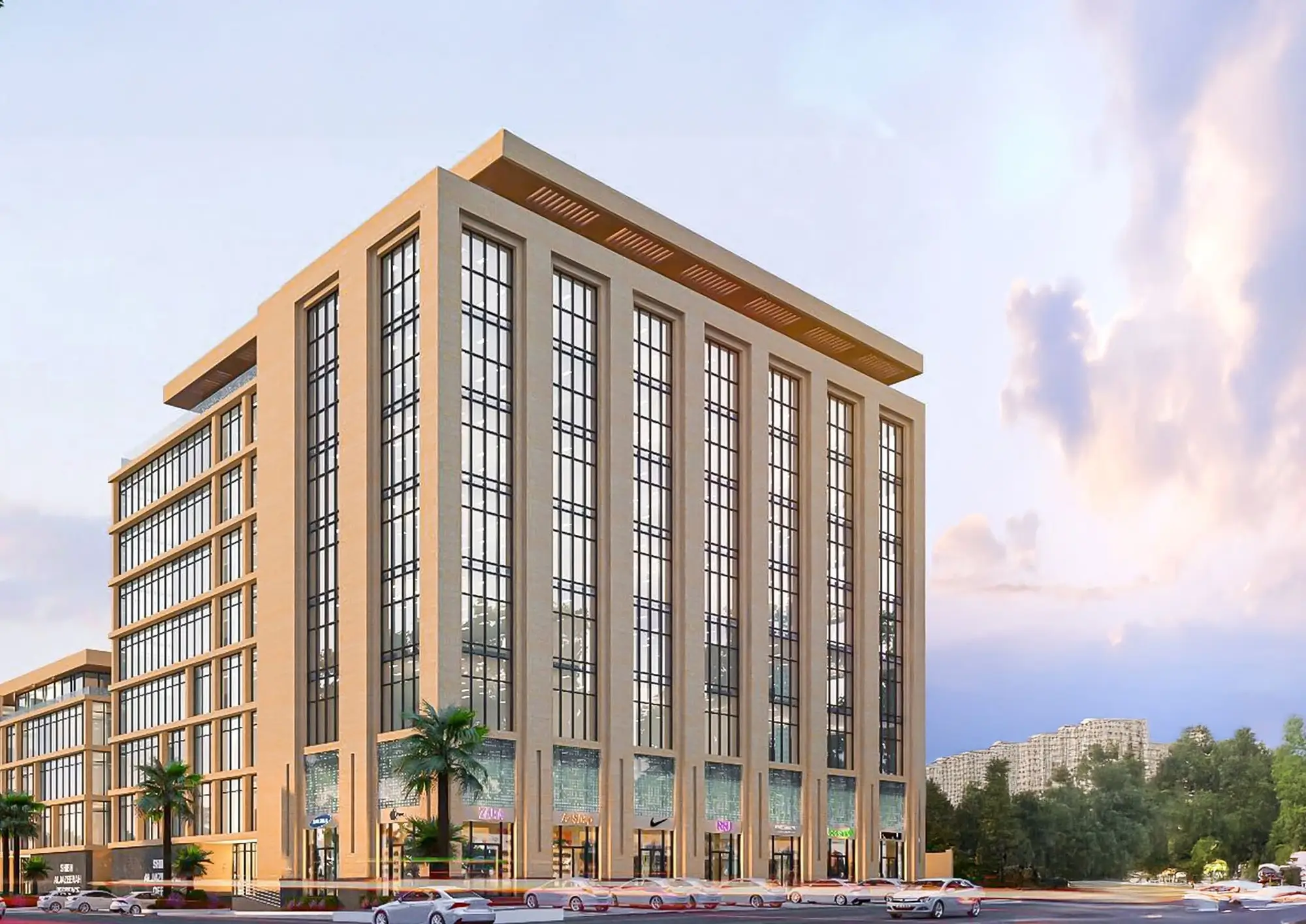
Improving Acoustic Comfort Through Facade Design
Glass build-ups, airtight frames, seals, opaque walls, openings, and junctions all influence how much exterior noise reaches occupants.
-
How to Select the Right Facade System for Your Project
A practical framework for balancing architectural intent, climate, performance, structure, buildability, programme, and lifecycle cost.
-
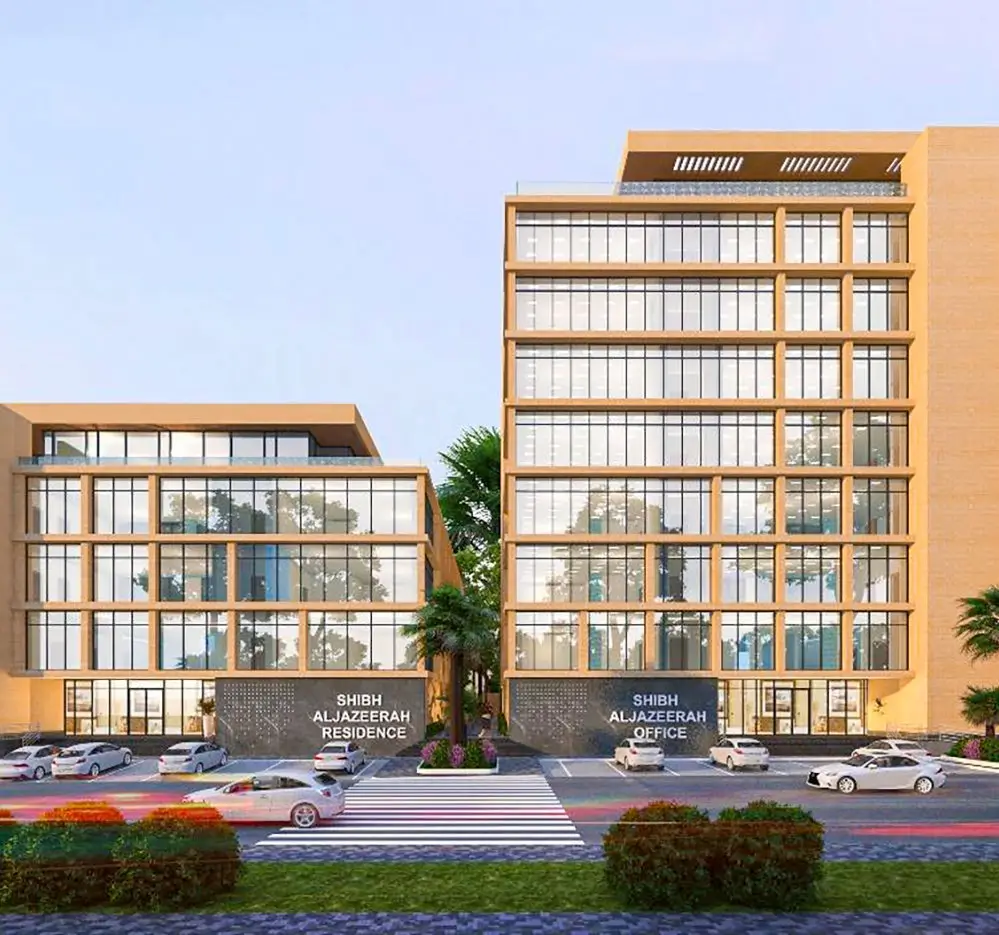
From Architectural Concept to Completed Facade
Follow the facade journey through performance definition, engineering, samples, procurement, fabrication, testing, installation, and handover.
-
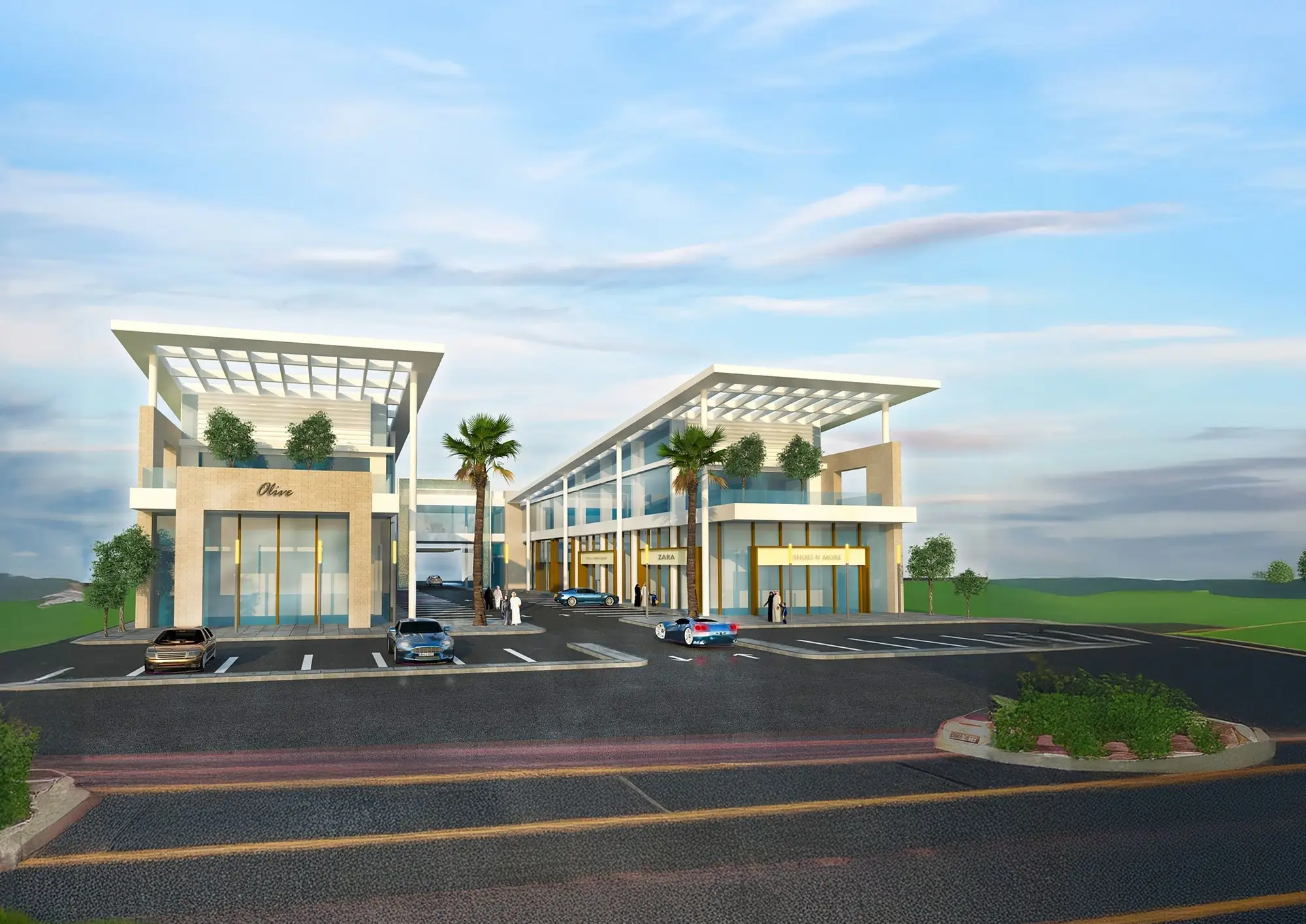
Common Facade Design Mistakes—and How to Avoid Them
Many facade problems begin at interfaces, movement joints, drainage paths, material combinations, tolerances, or maintenance access.
-
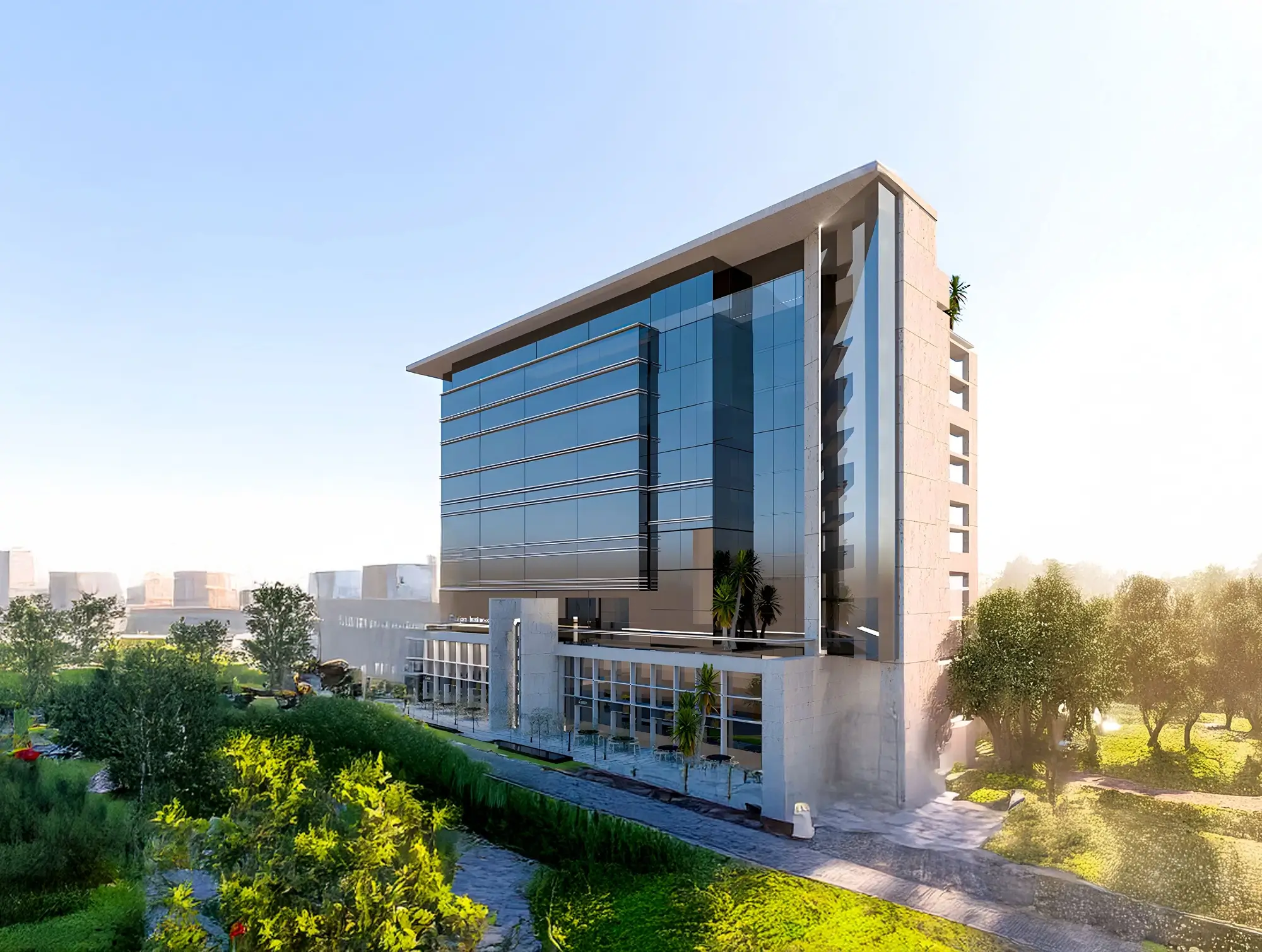
Why Facade Mock-Ups and Performance Testing Matter
Mock-ups turn drawings into evidence, allowing teams to verify appearance, interfaces, workmanship, air leakage, water resistance, and movement.
-
How Custom Metalwork Adds Character to a Building
Fins, screens, canopies, perforated panels, trims, and crafted details can turn practical facade elements into a distinct identity.
-
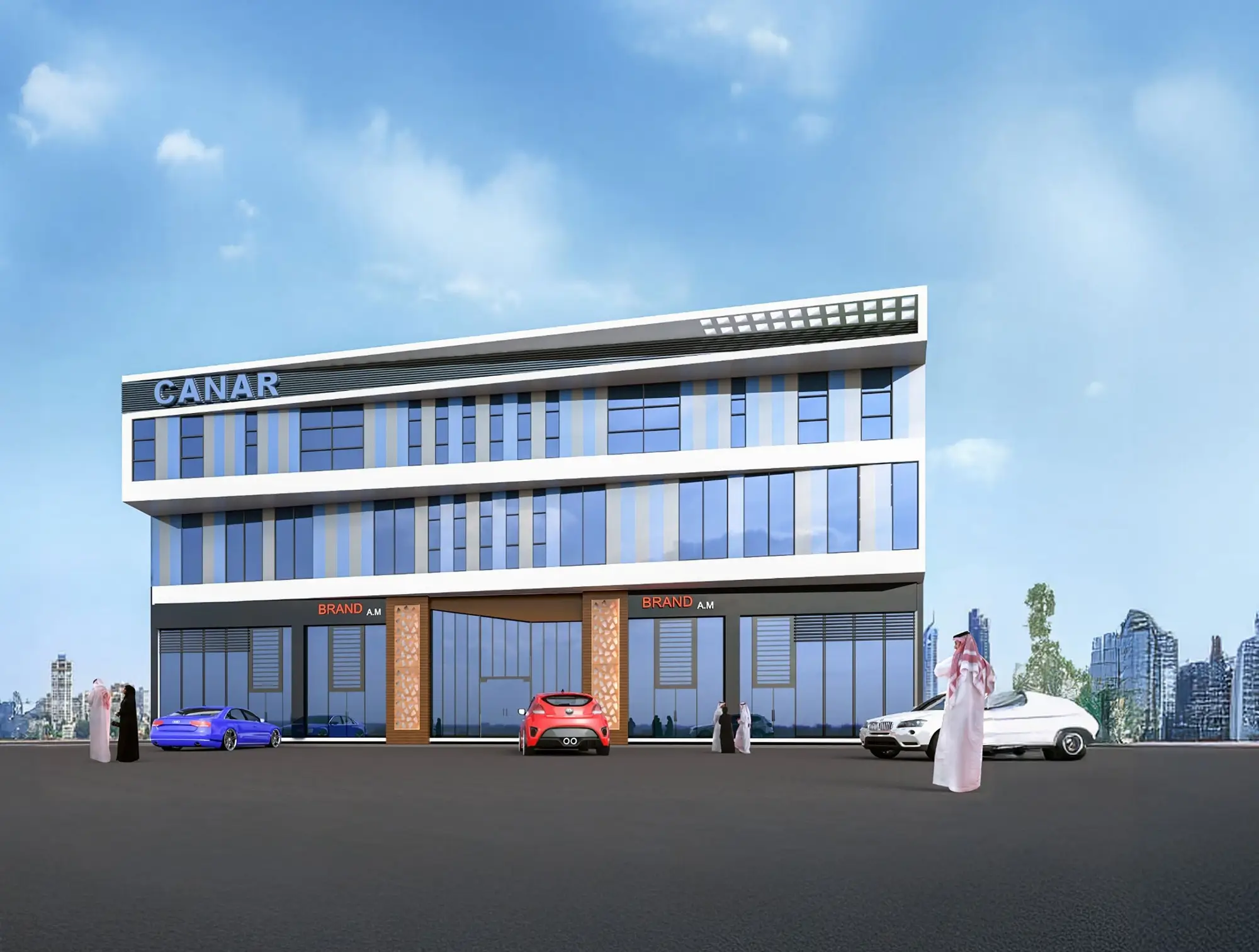
How to Maintain Glass and Aluminum Facades
A planned maintenance routine protects appearance, drainage, seals, coatings, hardware, safety, and long-term facade performance.
-
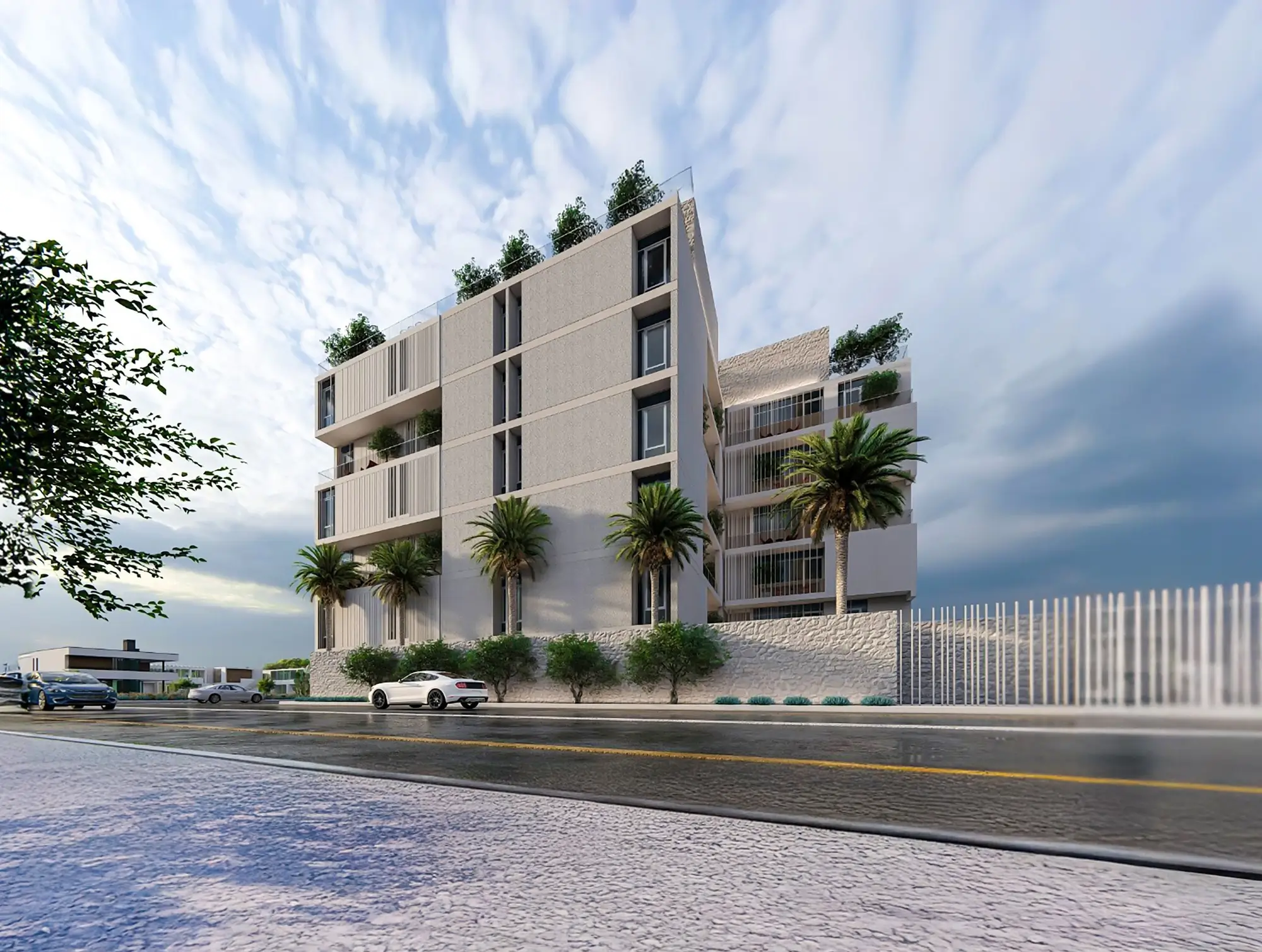
When Should a Building Facade Be Inspected?
Routine surveys and event-based inspections reveal early warning signs before facade defects become expensive or unsafe.
-
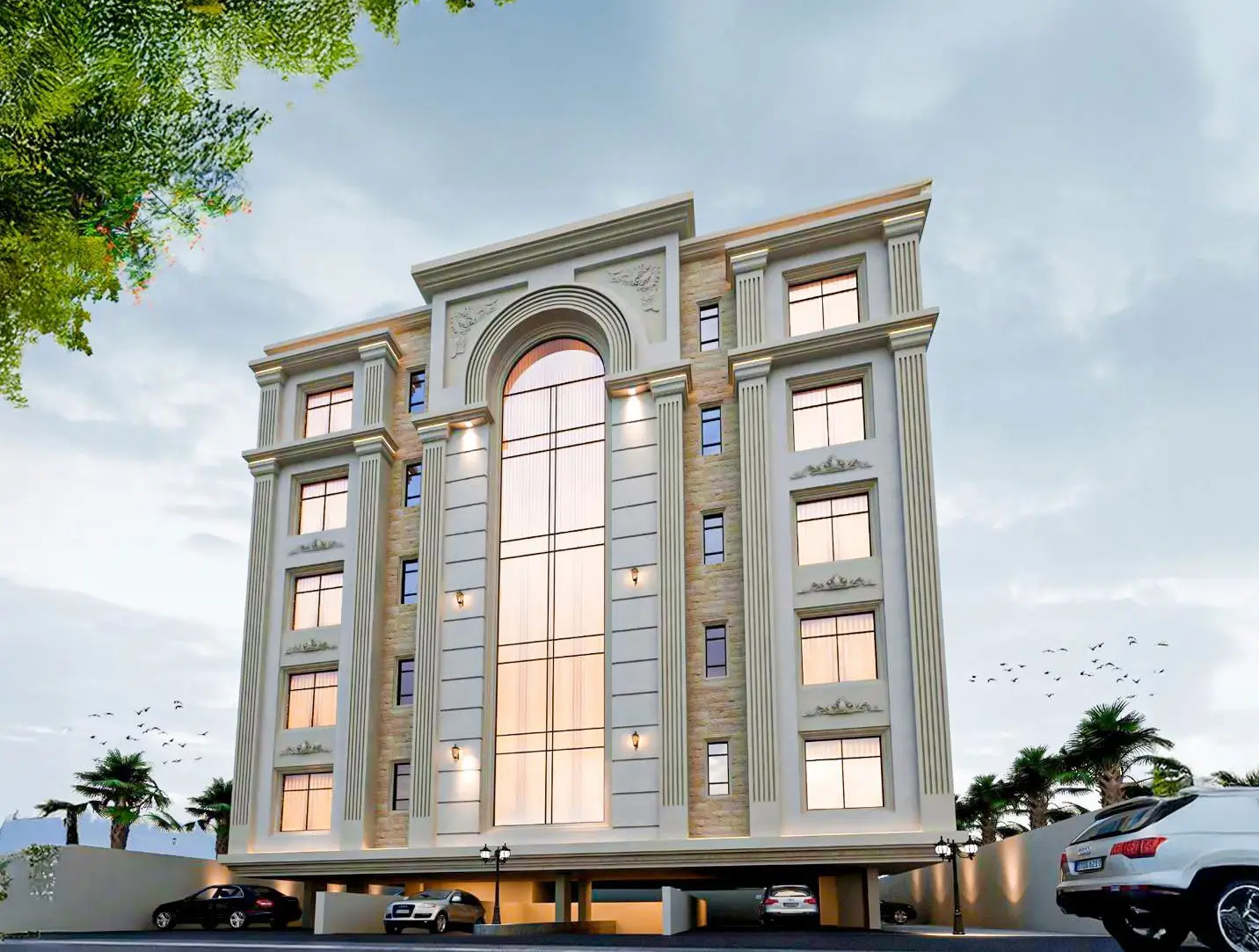
Can an Existing Facade Be Upgraded?
Existing facades can often be improved through targeted repairs, glazing changes, shading, overcladding, resealing, or full replacement.
-
Understanding the Lifecycle Cost of a Facade
The true cost of a facade includes design, installation, energy, access, cleaning, maintenance, replacement, disruption, and residual value.
Let’s Shape What’s Next
Planning a new building or exploring options for its facade? Tell us about your project, and let's discuss the right solution for your vision.
info@wemaar.co