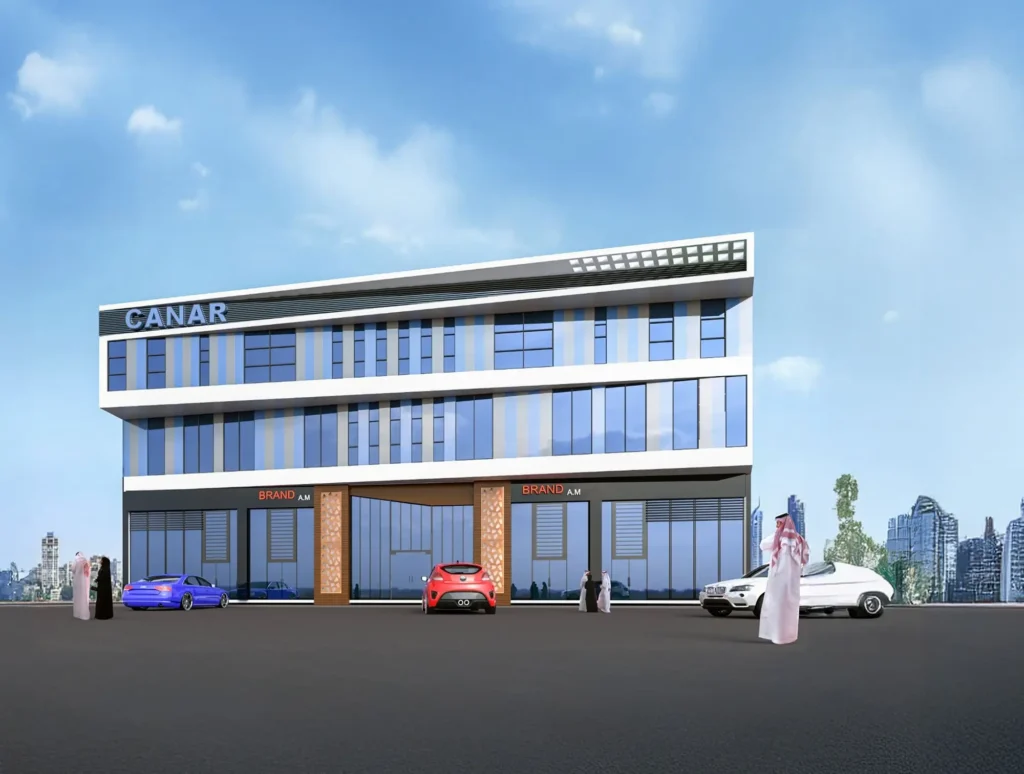
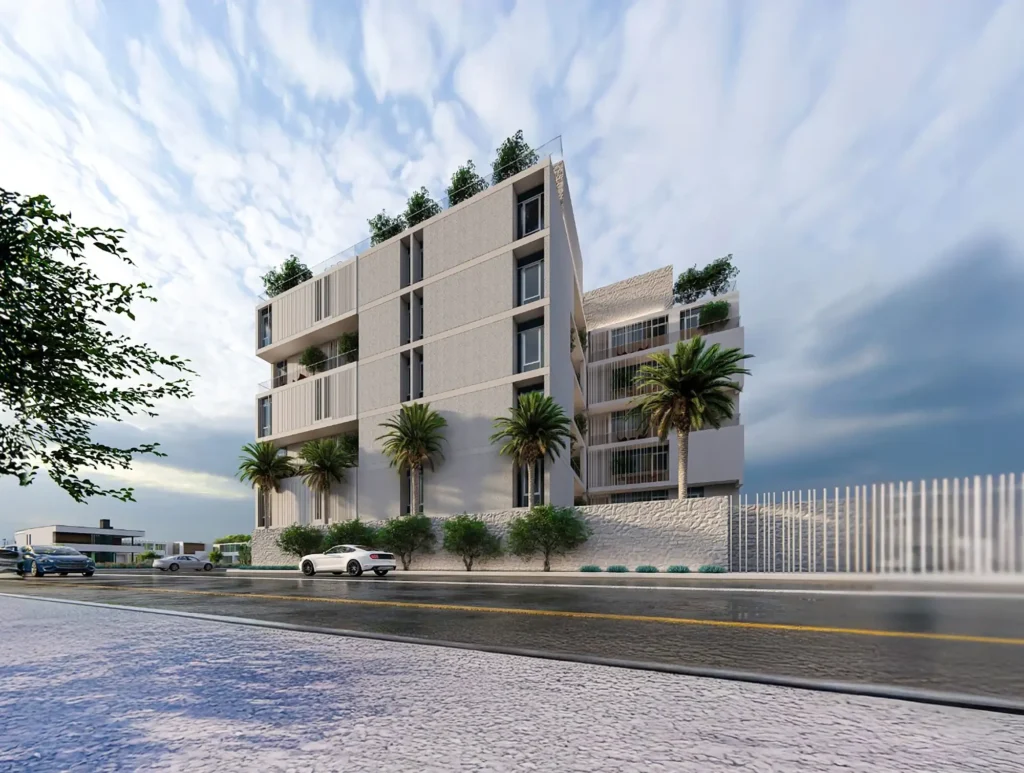
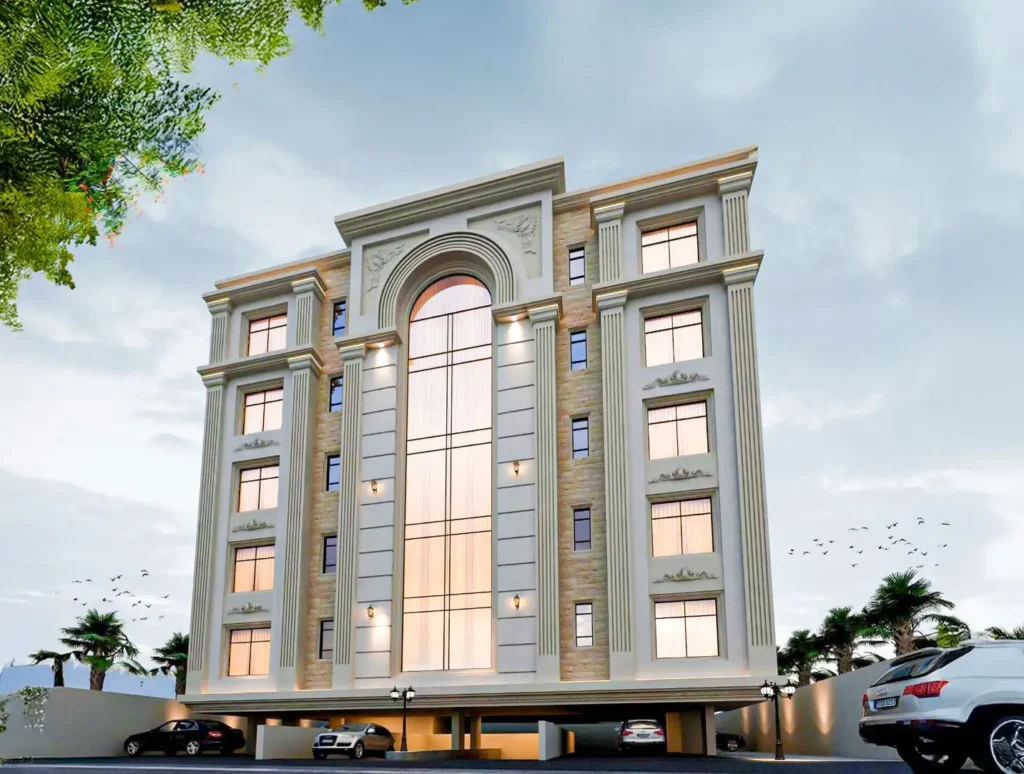
Initial price is visible and easy to compare, but a facade remains in service for decades. Decisions made during design affect cooling demand, cleaning cycles, inspection access, component replacement, business disruption, and eventual renewal.
Count more than construction
A lifecycle review includes design and testing, materials, fabrication, transport, installation, energy, cleaning, access equipment, inspections, planned maintenance, repairs, warranties, replacements, disposal, and potential reuse or recycling.
Understand service lives
Glass, aluminum frames, coatings, gaskets, sealants, hardware, membranes, anchors, and access systems age at different rates. Designing replaceable components and keeping compatible spares can prevent a small expired element from forcing major facade work.
Compare scenarios
Evaluate realistic alternatives using consistent assumptions for service period, energy prices, maintenance intervals, access, inflation, discount rates, and risk. The lowest initial price may still be good value—but the decision should be informed by its long-term consequences.