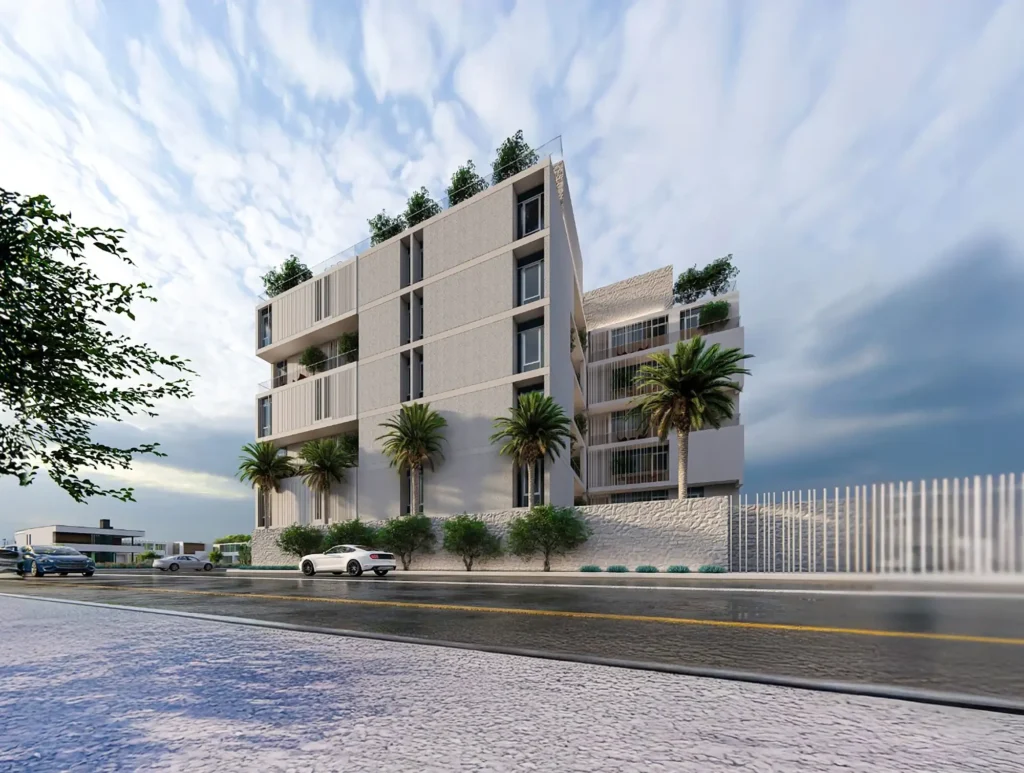
A facade upgrade can refresh appearance, resolve defects, improve comfort, reduce energy use, or extend service life. The right level of intervention begins with evidence about the existing construction rather than assumptions based on its exterior appearance.
Investigate first
Review original drawings and maintenance records, survey representative areas, open selected locations, inspect anchors and drainage, test materials, and document air or water leakage. Structural capacity, hazardous materials, fire strategy, and occupied-building constraints also matter.
Match the intervention to the goal
Options range from renewing sealants and hardware to replacing insulating glass, adding shading, improving opaque insulation, installing a secondary skin, overcladding, or replacing complete assemblies. Each option changes interfaces and moisture behavior.
Plan sequencing and verification
Trial areas and mock-ups help confirm appearance, access, temporary protection, noise, dust, removal, and installation methods. Performance calculations and field testing should verify that the upgrade resolves the original issue without creating a new one.