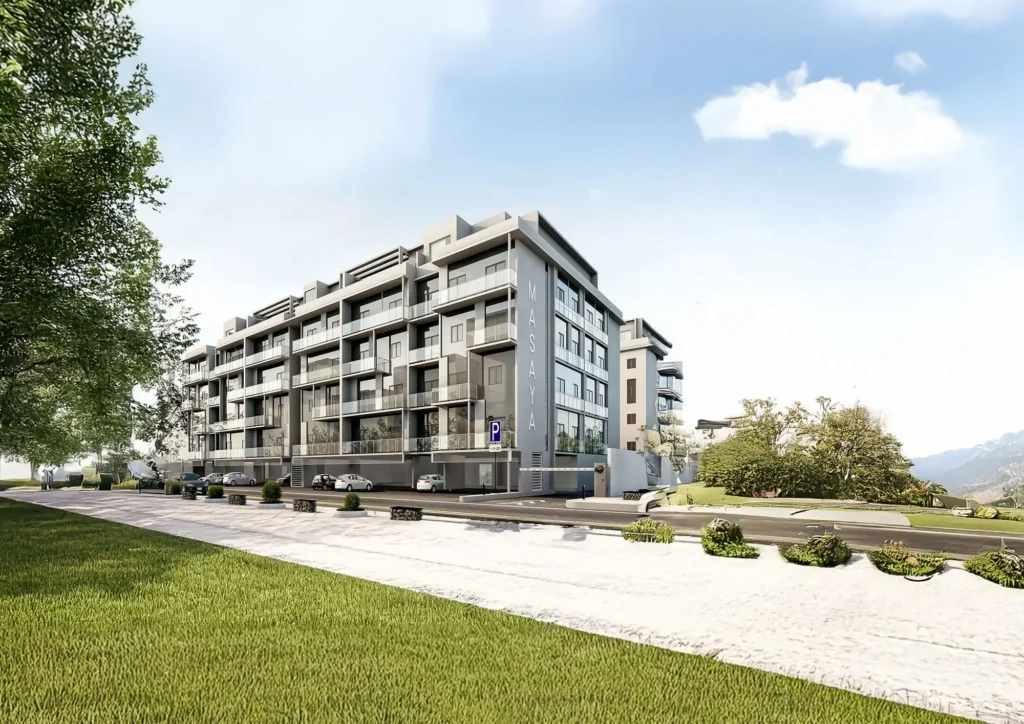
Facade acoustics are especially important near roads, airports, railways, commercial districts, and mechanical equipment. A strong specification considers the complete sound path rather than focusing only on the glass.
Build an effective glass unit
Laminated glass can damp certain frequencies, while asymmetric pane thicknesses and wider insulated cavities help prevent both panes from responding identically. The right composition depends on the project’s measured or predicted noise spectrum.
Control gaps and weak points
Airtight gaskets, perimeter seals, closed drainage paths, insulated spandrels, and carefully detailed transitions are essential. Opening windows, doors, trickle vents, penetrations, and lightweight infill can govern the performance of the entire room.
Test the relevant assembly
Laboratory ratings support design, but field conditions include structure, workmanship, flanking paths, and room absorption. Project-specific reviews and field tests help confirm whether the installed facade meets the indoor acoustic objective.