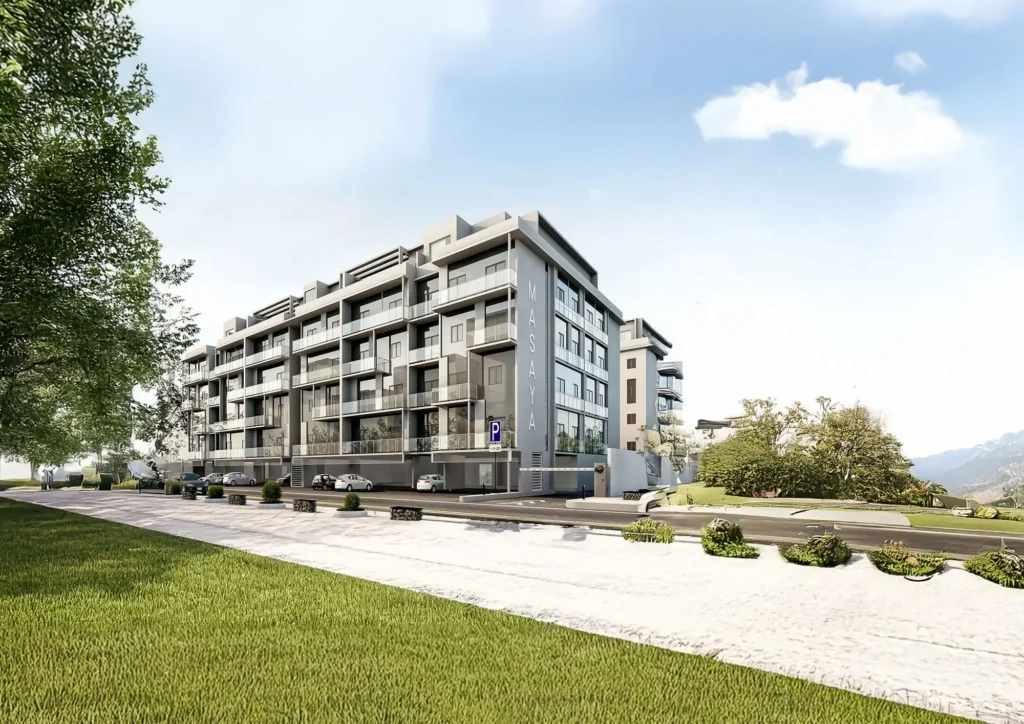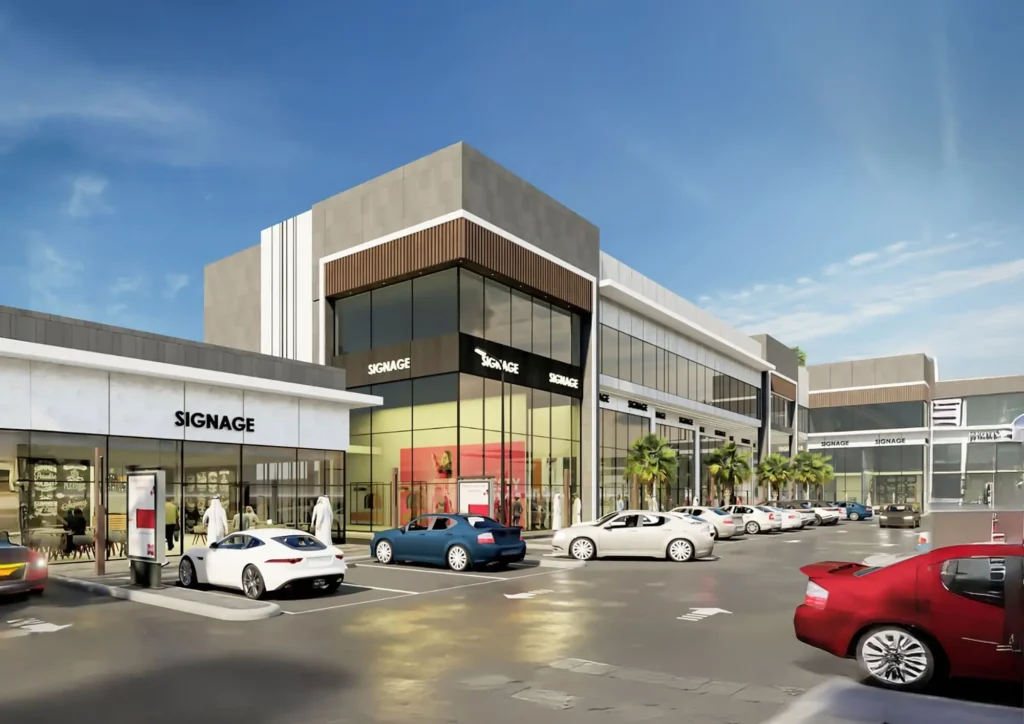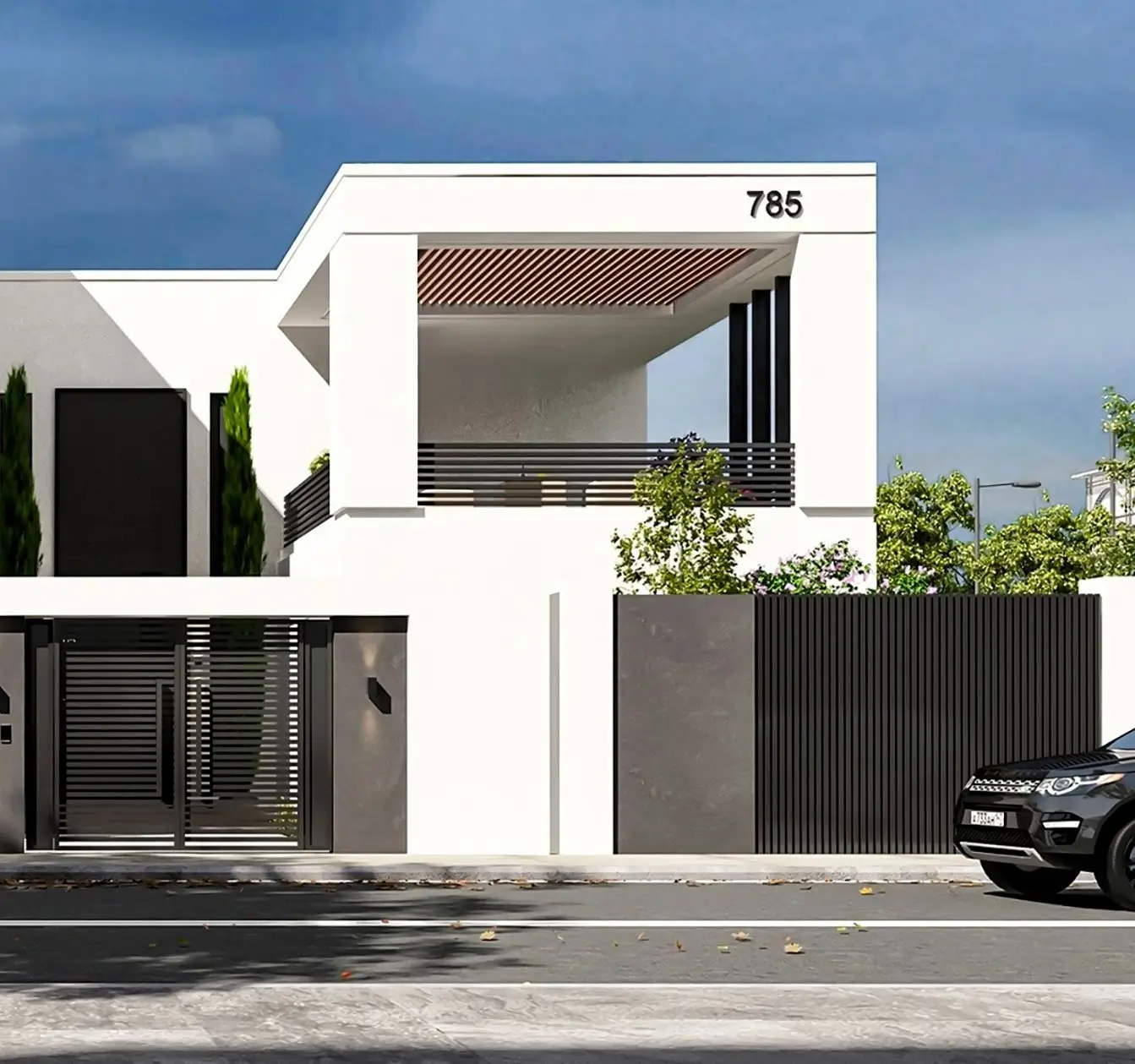
A facade in Saudi Arabia works under demanding environmental conditions. High solar radiation, heat, dust, occasional heavy rain, and daily temperature movement require materials and details that remain effective well beyond the opening day.
Control solar heat
Orientation-specific glazing, low-emissivity coatings, appropriate solar heat-gain values, insulated opaque areas, thermal breaks, and external shading can reduce cooling loads while maintaining useful daylight and views.
Design for dust and temperature
Dust can collect on horizontal ledges, clog small drainage paths, and make cleaning difficult. Sloped surfaces, accessible gutters, durable gaskets, compatible sealants, and movement allowances help the envelope cope with exposure and thermal cycling.
Verify the whole assembly
Energy models, thermal calculations, glass analysis, material testing, mock-ups, and water and air tests should reflect the actual project. Details at roofs, podiums, entrances, and service penetrations deserve the same attention as the main elevation.