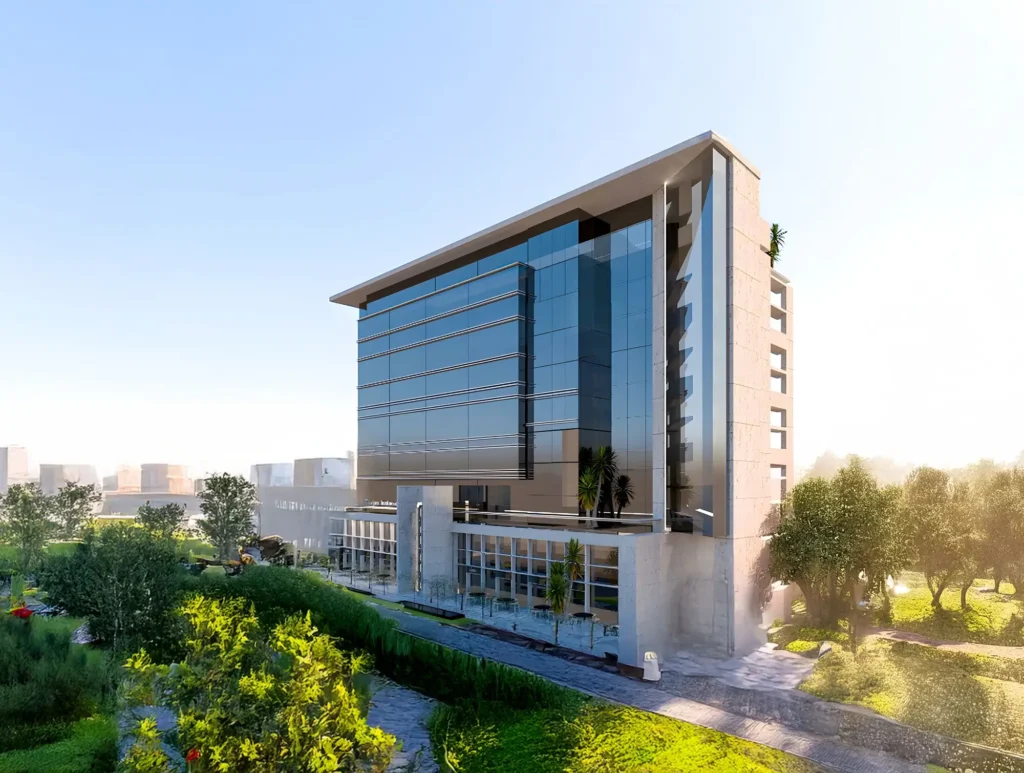
Solid aluminum panels and aluminum composite panels can create a similar architectural appearance, but they are manufactured and detailed differently. Understanding those differences helps a project team specify the right system for the building, budget, and performance target.
How the materials are made
Solid aluminum cladding uses formed sheets of aluminum, while ACP sandwiches a core between two thin aluminum skins. Solid panels are robust and highly formable; composite panels are lighter and can be economical across large, regular elevations.
Performance and compliance
Panel thickness, alloy, coating, fixing method, and—especially for composite panels—the core specification all affect performance. Fire requirements must be checked against the applicable code and approved system rather than inferred from the product name alone.
Making the selection
Choose after reviewing exposure, panel dimensions, visual tolerances, maintenance expectations, fire strategy, and total installed cost. Early coordination with the facade engineer and fabricator prevents a visually attractive concept from becoming difficult to manufacture or certify.